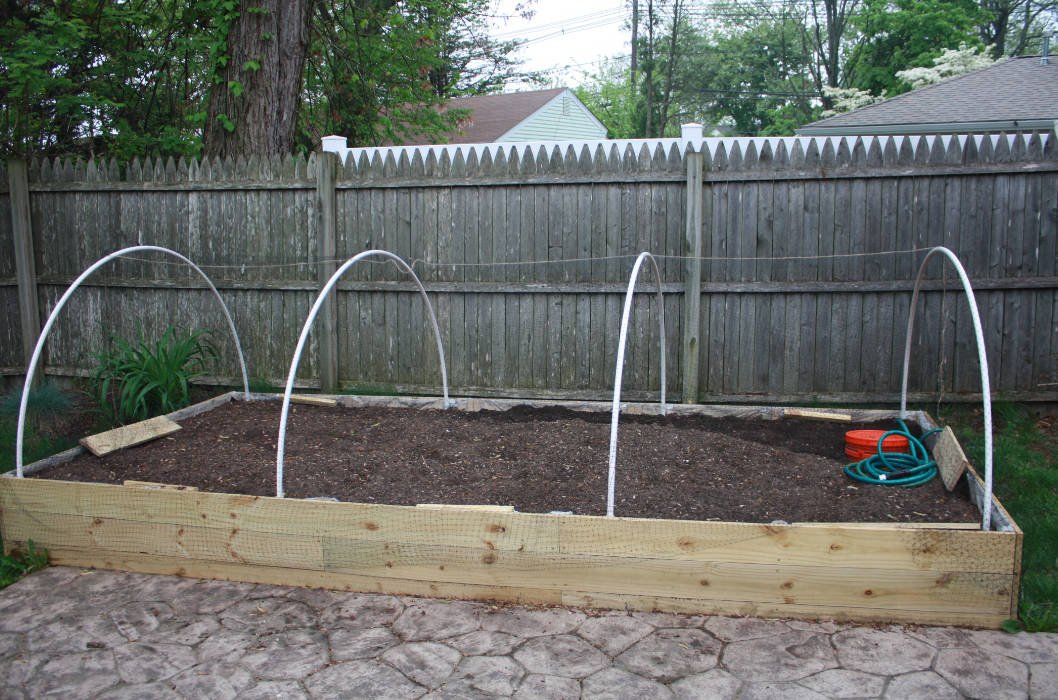
In recent years, the shift towards eco-friendly gardening and sustainable living has gained significant momentum. People are increasingly looking for ways to reduce their environmental footprint and create outdoor spaces that are not only beautiful but also sustainable. One of the most effective ways to achieve this is by integrating renewable energy sources, such as solar power, into garden designs. By harnessing the sun’s energy, you can make your garden more energy-efficient and environmentally friendly.
Benefits of Solar Power in Gardening
Solar power offers numerous benefits for gardening enthusiasts. Firstly, it helps reduce energy consumption and lower electricity bills. Instead of relying on traditional electricity, you can power various garden features using solar energy, which is both renewable and free.
Using solar power in your garden minimizes your environmental impact by reducing carbon emissions. This green energy alternative is a great way to contribute to a cleaner planet.
Lastly, solar-powered garden tools and features often require less maintenance and have a longer lifespan, making them a cost-effective choice in the long run.
Solar-Powered Garden Features
Incorporating solar-powered features into your garden can enhance its beauty and functionality. Outdoor solar lights are a popular choice for illuminating pathways, highlighting garden beds, and creating a warm ambiance during evening gatherings. They come in various designs and styles, allowing you to find the perfect match for your garden’s aesthetic.
Another great addition is a solar pest repeller, which helps keep unwanted critters away without harming the environment. These devices use ultrasonic waves powered by solar energy to deter pests, making them an eco-friendly and humane option for garden protection.
Eco-Friendly Landscaping Tips
Creating an eco-friendly garden goes beyond just using solar power. It involves thoughtful landscaping choices that promote sustainability. One tip is to choose native plants that require less water and maintenance, as they are naturally adapted to your region’s climate.
Additionally, consider energy-efficient landscaping techniques like xeriscaping, which focuses on reducing water usage through careful plant selection and design. Incorporating natural elements, such as rocks, wood, and plants, can create a harmonious environment.
For those looking to enhance their garden with sustainable practices, sourcing natural materials locally is a good move. For example, when sourcing mulch, searching “mulch delivery near me” can help support local businesses while reducing your carbon footprint.
Solar Panels and Home Integration
If you’re serious about integrating solar energy into your lifestyle, installing solar panels is a fantastic option. Solar panels can power not only your garden features but also your home’s energy needs. This setup allows you to harness the sun’s energy throughout the year, providing a sustainable power source for both indoor and outdoor areas.
The initial investment in solar panels can be offset by long-term savings on energy bills, and you may even be eligible for tax incentives or rebates.
Creating a Sustainable Garden: Key Considerations
When planning a sustainable garden, it’s essential to consider the sun’s exposure. Placing solar-powered features in areas that receive ample sunlight ensures they operate efficiently. Additionally, using sustainable materials for garden structures and decorations, like recycled wood or eco-friendly composite materials, contributes to a greener environment.
Integrating solar energy into your existing garden layout can be as simple as adding a few solar lights or as comprehensive as a full solar panel installation. The key is to start small and gradually incorporate more sustainable elements as you see fit.
It’s also important to consider the biodiversity of your space. Encourage a variety of plants, including flowering species that attract pollinators like bees and butterflies. This not only enhances the beauty of your garden but also supports local ecosystems.
Incorporating water features, like small ponds or birdbaths, can provide habitat for wildlife and contribute to a balanced garden environment. Additionally, using organic gardening methods, such as avoiding synthetic pesticides and fertilizers, helps maintain soil health and protects beneficial insects.
Thoughtfully planning your garden’s layout and plant selection, can create a thriving, eco-friendly haven that benefits both you and the environment.
Additional Eco-Friendly Practices
Aside from solar power, there are other eco-friendly practices you can adopt in your garden. Composting is a simple yet effective way to enrich your soil with nutrients, reducing the need for chemical fertilizers. You can compost kitchen scraps, yard waste, and other organic materials.
Water conservation methods are also crucial. Consider using rain barrels to collect and store rainwater for irrigation. Efficient irrigation systems, like drip irrigation, can help you water your garden more effectively, using less water overall.
Conclusion
Integrating solar power and eco-friendly practices into your garden is a rewarding way to contribute to a sustainable future. From reducing energy consumption with solar lights and pest repellers to making thoughtful landscaping choices, every small step counts. By embracing these solutions, you can create a beautiful outdoor space and set an example for environmentally conscious living. Start small, explore your options, and enjoy the benefits of a sustainable garden.